Osteoporosis is often referred to as a “silent disease” because it progresses gradually, without noticeable symptoms. Unfortunately, for seniors with a goal of aging in place, a diagnosis of osteoporosis can challenge their freedom. The good news is that with the right support in place, such as companion care at home, seniors can gain valuable tips that help them manage the condition and continue to live independently.
What Happens to Bones with Osteoporosis
Bones are living tissue that the body is constantly breaking down and rebuilding. In the case of osteoporosis, the body loses more bone than it makes. This can make the bones weaker, thinner, and more likely to break. While a healthy bone looks like a honeycomb under a microscope, osteoporosis makes the spaces in that honeycomb bigger and the shell thinner so that even a little bump, cough, or fall can cause a break.
The condition affects a significant number of older adults, with women considerably more likely to develop it than men. The risk increases with age and accelerates for women in the years after menopause. Other risk factors include a family history of the condition, being thin, smoking, drinking a lot of alcohol, eating a poor diet, leading a sedentary lifestyle, or taking certain medications.
Why This Matters for Aging in Place
For seniors who want to stay at home as they age, osteoporosis increases the risk of injury during routine activities. A broken hip or spine is more than just painful. It can mean a hospital stay, a long recovery, and, in some cases, a permanent loss of mobility and independence.
With these things in mind, it’s easy to see why prevention and diligent daily management are important. Thankfully, this is where companion care at home providers shine.
Tips for Managing Osteoporosis at Home
Because trained companion care at home caregivers understand the impact that osteoporosis can have on seniors aging in place, they’re able to offer valuable tips regarding management.
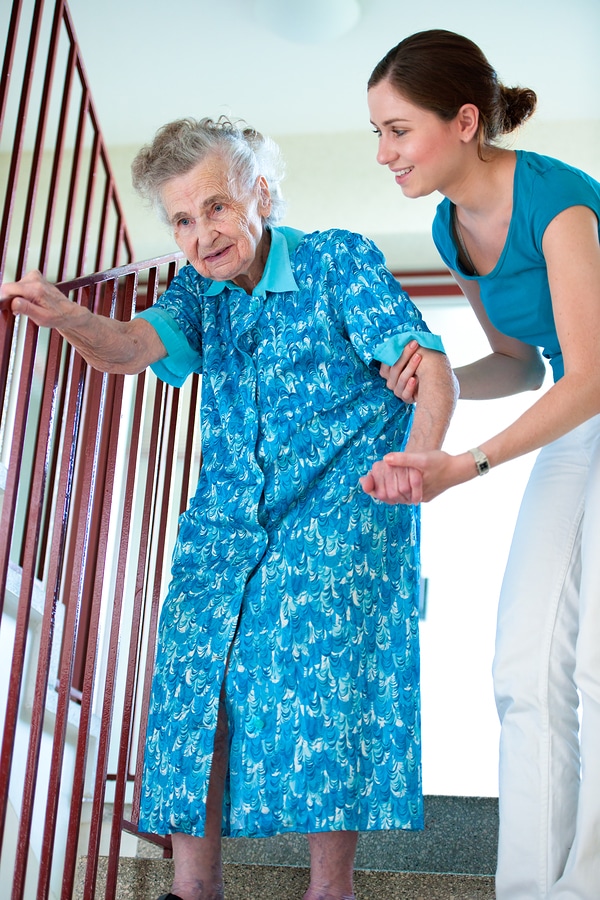
- Make Fall Prevention a Daily Routine: Caregivers are consistently on the lookout for ways to help to reduce fall risks, such as eliminating clutter, anchoring loose rugs and cords, and making sure hallways and stairs are well lit.
- Promote Regular, Safe Movement: Walking, light strength training, and balance exercises are all weight-bearing exercises that help build and maintain bone density. Companion care at home providers can encourage and accompany older adults on daily walks or simple exercises at home, with the doctor’s approval for what’s appropriate.
- Eat to Build Strong Bones: Calcium, vitamin D, and protein all increase bone strength. Caregivers can assist with grocery shopping and meal prep that includes dairy, leafy greens, fish, and fortified foods and can gently remind seniors to take supplements if prescribed by a doctor.
- Monitor Medication Schedule: It’s important to be consistent with osteoporosis treatments—whether they’re slowing bone loss or helping rebuild it. Caregivers can assist in monitoring prescriptions and alerting seniors when it’s time for doses or refills.
- Mobility Aids and Stability: If a cane, walker, or raised toilet seat has been recommended, companion care at home aides can help the senior use it correctly and consistently, rather than skipping it out of habit or pride.
- Assistance with Daily Activities: Bending forward, twisting the spine, or lifting something heavy can strain weakened bones. Caregivers can help with things like reaching for items on high shelves or carrying laundry, limiting the risk of an awkward movement leading to injury.
By offering valuable tips and assessing for fall risk, companion care at home providers are key when it comes to managing osteoporosis, especially for seniors aging in place.
If you or an aging loved one are considering Companion Care at Home in Bonita, CA, please contact the caring staff at A Passion for Care today. Call (858) 798-5005
A Passion for Care is a Trusted Home Care Agency serving San Diego, La Jolla, Del Mar, Rancho Bernardo, Encinitas, Oceanside, Rancho Santa Fe, Point Loma, and surrounding areas.
Sources:
- https://www.centerwellprimarycare.com/en/resources/osteoporosis-health-tips
- https://www.nia.nih.gov/health/osteoporosis/osteoporosis
- https://www.ncoa.org/article/what-is-osteoporosis-and-how-does-it-impact-older-adults/
- https://www.hopkinsmedicine.org/health/conditions-and-diseases/osteoporosis/osteoporosis-what-you-need-to-know-as-you-age

Making the transition to a completely new industry brought the opportunity to learn and grow, which continues still today. Pat studied Gerontology in San Diego State University’s certificate program and became licensed as a Certified Nurse Assistant (CNA), a Home Health Aide (HHA), and completed the California Certification Program for Residential Care Facilities for the Elderly (RCCFE) as a Certified Administrator. She presented workshops at Aging in America Conference four years in a row and served as Chair of the San Diego Regional Home Care Council 2019-2020 and was the education board member for several years. More recently, Pat became a Certified Senior Advisor and was a San Diego Business Journal “50 over 50 2022 Women of Influence Honoree”.
Pat and her husband Roland have lived outside San Diego in the San Pasqual Valley for over three decades. She has two children who are grown professionals and three grandchildren. Pat enjoys traveling to, and visits from, family and friends throughout the year. While at home in San Pasqual Valley, she and Roland enjoy peaceful views and exploring the surrounding valleys.
- When Eating Well Becomes Harder: Helping Your Parent Maintain Good Nutrition at Home - September 23, 2026
- What Is Personal Care at Home? - September 11, 2026
- Grandma, It Really Does Sound Like Me - August 28, 2026