
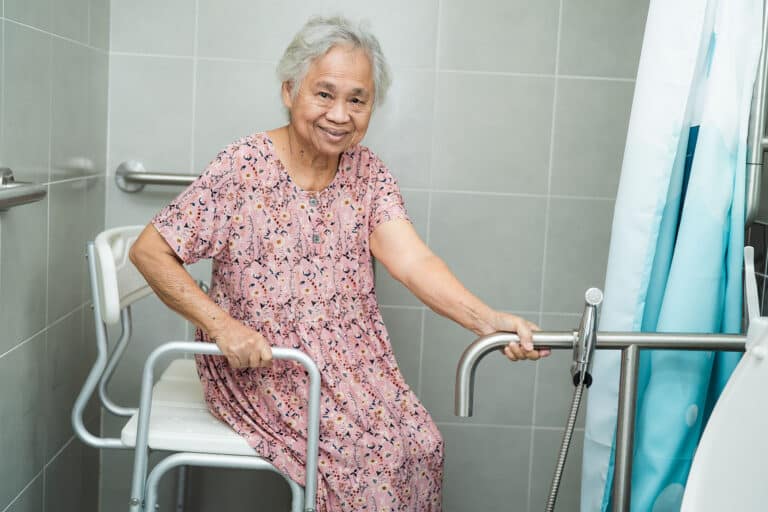
For many older adults, the biggest challenge isn’t walking across the room—it’s getting safely from one place to another. Something as routine as standing up from a favorite chair, getting out of bed in the morning, or transferring to the toilet can become physically demanding and even dangerous. This is one of the reasons home care for mobility issues is so valuable. The right support helps seniors move safely throughout the day while maintaining as much independence and confidence as possible.
Transfers are often overlooked until something goes wrong. A close call, a fall, or an injury may finally bring attention to the problem, but there are usually warning signs long before then. Understanding those signs can help families make proactive decisions that keep their loved one safer at home with home care for mobility issues.
Why Transfers Become More Difficult With Age
Getting from one position to another requires more coordination than many people realize. Standing up from a seated position involves leg strength, balance, flexibility, core stability, and confidence. As people age, even minor changes in these areas can make transfers more challenging.
Several common conditions can contribute to difficulty with transfers, including:
- Arthritis and joint pain
- Muscle weakness from inactivity or illness
- Parkinson’s disease
- Stroke recovery
- Multiple sclerosis
- Osteoporosis
- Balance disorders
- Recovery after surgery or hospitalization
Even seniors who are still able to walk independently may struggle with the initial movement of standing or sitting safely.
The Warning Signs Families Should Notice
Transfer difficulties often develop gradually. Family members may not recognize them because their loved one has adapted in subtle ways.
Watch for signs such as:
- Needing to push off furniture or countertops to stand
- Rocking back and forth several times before getting up
- Taking much longer to rise from a chair
- Avoiding low couches or soft furniture
- Holding onto another person for stability
- Sitting down abruptly instead of lowering themselves carefully
- Expressing fear about getting out of bed or using the bathroom
Many seniors also begin limiting their activities simply because moving around has become exhausting or intimidating.
Why Unsafe Transfers Lead to Falls
Many falls do not happen while someone is walking across the house. Instead, they occur during transitions between sitting, standing, and changing positions.
These moments create a perfect storm of risk because balance shifts rapidly while muscles work harder to stabilize the body. If dizziness, weakness, pain, or poor footing is added to the equation, the likelihood of falling increases significantly.
Falls can lead to:
- Broken bones
- Head injuries
- Hospitalization
- Loss of confidence
- Reduced independence
- Fear of moving altogether
Once someone begins avoiding movement because they fear falling, physical strength often declines even faster.
The Emotional Side of Mobility Changes
Losing the ability to move independently affects much more than physical health.
Many older adults become frustrated when everyday tasks suddenly require assistance. They may feel embarrassed asking for help getting out of bed or standing from a chair. Others worry that accepting assistance means giving up their independence.
In reality, the opposite is often true.
Receiving help with transfers allows many seniors to continue living safely in their own homes instead of facing repeated falls or unnecessary hospital visits. The goal is not to take over tasks that someone can still perform but to provide support where it truly makes a difference.
How Professional Caregivers Help With Safe Transfers
Professional caregivers understand techniques that make transfers safer while encouraging clients to remain as active as possible.
Depending on an individual’s needs, home care for mobility issues and assistance may include:
- Providing steady support during transfers
- Encouraging proper body positioning
- Helping clients use walkers or canes correctly
- Assisting with transfers to wheelchairs or other mobility devices
- Monitoring for signs of dizziness or fatigue
- Reducing fall risks around transfer areas
Every person has different abilities, which is why assistance should always match the individual’s physical condition rather than using the same approach for everyone.
Small Home Changes Can Make a Big Difference
A safer environment often improves transfer success.
Families can reduce risks by making simple modifications throughout the home, including:
- Installing grab bars near toilets and showers
- Using chairs with sturdy arms
- Raising low seating surfaces
- Keeping pathways clear of clutter
- Improving lighting around beds and hallways
- Securing loose rugs
- Placing frequently used items within easy reach
These adjustments work best when combined with consistent home care for mobility issues and good transfer habits.
Confidence Matters Just as Much as Strength
Many seniors become hesitant after experiencing one fall or even one frightening near miss.
That hesitation often causes people to move differently. They may stiffen their muscles, rush movements, or avoid standing altogether. Ironically, these changes can increase the risk of another fall.
Having a trusted caregiver nearby provides reassurance that encourages seniors to continue moving safely instead of becoming increasingly sedentary. Remaining active helps preserve muscle strength, joint flexibility, circulation, and overall health.
This is one reason home care for mobility issues focuses on both physical assistance and emotional confidence.
Helping Family Caregivers Stay Safe Too
Transfers are physically demanding for family members as well.
Without proper techniques, lifting or supporting another adult can lead to serious back, shoulder, or knee injuries. Adult children often underestimate how much strain repeated transfers place on their own bodies until they begin experiencing chronic pain themselves.
Professional caregivers know how to assist safely while reducing unnecessary physical stress for everyone involved. This allows family members to spend more time simply enjoying visits rather than worrying about every trip from the chair to the bathroom.
Knowing When It’s Time for Extra Help
Families sometimes assume they should wait until a loved one experiences a serious fall before seeking assistance.
In reality, earlier intervention often prevents those emergencies altogether.
Consider additional home care for mobility issues support if your loved one:
- Has experienced one or more falls
- Needs increasing assistance standing up
- Avoids moving around the home
- Has recently returned home from the hospital
- Appears weaker than usual
- Has begun relying heavily on furniture for support
- Expresses fear about falling
These changes are often signals that extra assistance can improve both safety and quality of life.
Supporting Safe Movement Every Day
Mobility challenges rarely appear overnight, and neither do the solutions. Addressing transfer difficulties early allows seniors to remain active, preserve their confidence, and continue participating in daily routines they enjoy. With thoughtful planning, home modifications, and compassionate assistance, many older adults can safely remain where they feel most comfortable—their own homes.
At A Passion for Care, we understand that maintaining mobility is about much more than moving from one place to another. It is about protecting independence, dignity, and peace of mind. Through personalized home care for mobility issues, our caregivers help clients navigate everyday movements safely while supporting families through each stage of the aging journey.
If someone you love is beginning to struggle with getting in and out of bed, standing from a chair, or moving safely throughout the home, A Passion for Care can provide compassionate support that helps make each day safer, more comfortable, and more independent.
If you or an aging loved one are considering Home Care for Mobility Issues in Bonita, CA, please contact the caring staff at A Passion for Care today. Call (858) 798-5005
A Passion for Care is a Trusted Home Care Agency serving San Diego, La Jolla, Del Mar, Rancho Bernardo, Encinitas, Oceanside, Rancho Santa Fe, Point Loma, and surrounding areas.

Making the transition to a completely new industry brought the opportunity to learn and grow, which continues still today. Pat studied Gerontology in San Diego State University’s certificate program and became licensed as a Certified Nurse Assistant (CNA), a Home Health Aide (HHA), and completed the California Certification Program for Residential Care Facilities for the Elderly (RCCFE) as a Certified Administrator. She presented workshops at Aging in America Conference four years in a row and served as Chair of the San Diego Regional Home Care Council 2019-2020 and was the education board member for several years. More recently, Pat became a Certified Senior Advisor and was a San Diego Business Journal “50 over 50 2022 Women of Influence Honoree”.
Pat and her husband Roland have lived outside San Diego in the San Pasqual Valley for over three decades. She has two children who are grown professionals and three grandchildren. Pat enjoys traveling to, and visits from, family and friends throughout the year. While at home in San Pasqual Valley, she and Roland enjoy peaceful views and exploring the surrounding valleys.
- What Is Personal Care at Home? - September 11, 2026
- Grandma, It Really Does Sound Like Me - August 28, 2026
- Blood Sugar and Seniors: Why Balance Matters More With Age - August 26, 2026