
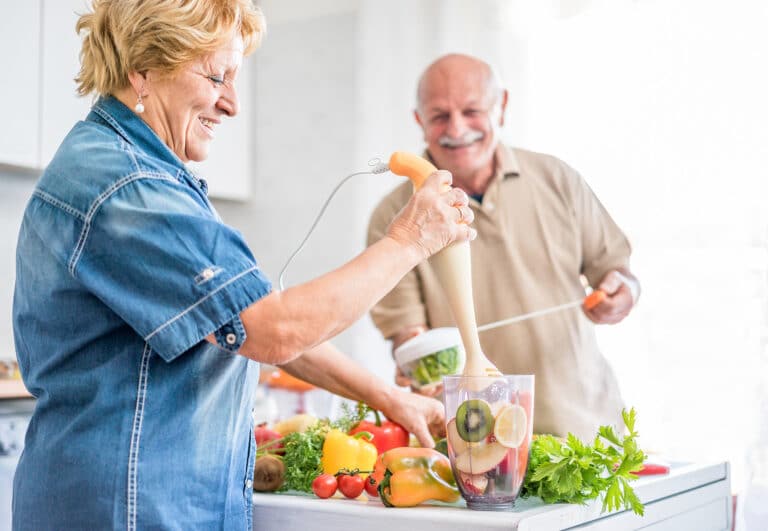
As we age, maintaining good health often requires more attention to daily habits that may have once seemed routine. Among the most important of these habits is proper nutrition. While eating a balanced diet is beneficial at every stage of life, senior nutrition becomes increasingly important as older adults experience changes in metabolism, appetite, mobility, and overall health.
For many seniors, nutritional needs evolve over time. Certain medical conditions, medications, and lifestyle changes can make it more difficult to prepare meals, shop for groceries, or consume the nutrients needed to stay healthy. As a result, poor nutrition can contribute to a variety of health concerns that impact independence and quality of life.
Understanding the importance of senior nutrition can help families take proactive steps to support their loved ones and promote healthier aging at home.
How Aging Changes Nutritional Needs
The body naturally changes with age. Metabolism slows, muscle mass decreases, and calorie needs often decline. However, the need for essential vitamins, minerals, protein, and hydration remains just as important—if not more so.
Many seniors require higher amounts of certain nutrients to maintain bone health, support immune function, and preserve muscle strength. At the same time, reduced appetite, changes in taste and smell, dental issues, or medication side effects may make eating well more challenging.
These factors can lead to older adults consuming fewer calories while still needing a nutrient-rich diet. Without proper attention to senior nutrition, deficiencies can develop and negatively affect overall health.
The Risks of Poor Nutrition in Older Adults
Poor nutrition can have far-reaching consequences for seniors. While weight loss is often the most visible sign, nutritional deficiencies can impact nearly every system in the body.
Common risks associated with inadequate nutrition include:
- Increased risk of falls and injuries
- Muscle weakness and reduced mobility
- Delayed healing after illness or surgery
- Weakened immune function
- Higher risk of hospitalization
- Cognitive decline and confusion
- Fatigue and decreased energy levels
In some cases, malnutrition develops gradually and may go unnoticed until serious health complications arise. This is why senior nutrition and monitoring dietary habits become increasingly important as loved ones age.
Nutrition and Chronic Disease Management
Many seniors live with one or more chronic health conditions. Diabetes, heart disease, high blood pressure, kidney disease, and osteoporosis often require specific dietary considerations.
Senior nutrition plays a vital role in managing these conditions and supporting overall wellness. For example, heart-healthy meals can help maintain healthy blood pressure levels, while balanced meals can support blood sugar management for individuals with diabetes.
Proper nutrition may also help reduce inflammation, support healthy weight management, and improve energy levels, allowing older adults to remain active and engaged in their daily lives.
The Connection Between Nutrition and Independence
One of the primary goals of home care is helping seniors maintain independence for as long as possible. Nutrition directly supports that goal.
Strong muscles, healthy bones, and adequate energy are essential for performing everyday activities such as walking, bathing, dressing, and moving safely throughout the home. When nutritional needs are met consistently, seniors are often better equipped to maintain their routines and continue living comfortably in familiar surroundings.
Conversely, poor nutrition can contribute to weakness, fatigue, and physical decline, making daily tasks increasingly difficult.
Common Barriers to Healthy Eating
Many older adults want to maintain healthy eating habits, but face obstacles that make it difficult. Identifying these challenges can help families provide appropriate support.
Common barriers include:
- Difficulty grocery shopping
- Limited transportation
- Reduced mobility
- Arthritis or physical limitations that affect cooking
- Memory loss or cognitive impairment
- Social isolation
- Difficulty chewing or swallowing
- Financial concerns
- Medication side effects that impact appetite
Even a minor challenge can make meal preparation overwhelming for some seniors. Over time, these obstacles may lead to skipped meals or reliance on less nutritious convenience foods.
How Home Care Supports Better Nutrition
Home care can play an important role in helping older adults maintain healthy eating habits. Caregivers often provide practical assistance that makes nutritious meals more accessible and manageable.
Depending on individual needs, home care services may include grocery shopping assistance, meal planning, meal preparation, and reminders to eat and stay hydrated. Caregivers can also help monitor changes in appetite and identify potential concerns that family members may not notice immediately.
Having support with these daily tasks can reduce stress and make healthy eating more consistent.
Encouraging Healthy Hydration
Hydration is often overlooked when discussing nutrition, but it is equally important. Older adults may experience a diminished sense of thirst, making dehydration more common.
Dehydration can contribute to dizziness, confusion, urinary tract infections, and increased fall risk. Encouraging regular fluid intake throughout the day can support overall health and help seniors feel their best.
Caregivers often assist by providing reminders, offering preferred beverages, and helping establish healthy hydration habits.
Creating Enjoyable Mealtime Experiences
Nutrition is about more than simply consuming nutrients. Meals often provide opportunities for social connection, routine, and enjoyment.
Unfortunately, seniors who live alone may lose interest in cooking or eating when meals become solitary experiences. This can lead to reduced food intake and nutritional deficiencies.
Companionship during meals can make eating more enjoyable and encourage better nutritional habits. Sharing conversation and creating a positive dining environment can help seniors maintain a healthier relationship with food.
Supporting Healthy Aging Through Better Nutrition
As adults age, the importance of maintaining healthy eating habits continues to grow. Senior nutrition influences strength, energy, immune health, cognitive function, and overall quality of life.
By recognizing the unique nutritional challenges older adults face, families can take steps to support healthier aging and greater independence. Whether through meal planning, grocery assistance, hydration support, or daily encouragement, the right help can make a meaningful difference.
Home care services provide valuable support that helps seniors overcome barriers to healthy eating while continuing to enjoy the comfort and familiarity of home. With proper senior nutrition and consistent support, older adults can maintain their well-being and continue living life with greater confidence and independence.
If you or an aging loved one is considering Senior Nutrition in Coronado, CA, please contact the caring staff at A Passion for Care today. Call (858) 798-5005
A Passion for Care is a Trusted Home Care Agency serving San Diego, La Jolla, Del Mar, Rancho Bernardo, Encinitas, Oceanside, Rancho Santa Fe, Point Loma, and surrounding areas.

Making the transition to a completely new industry brought the opportunity to learn and grow, which continues still today. Pat studied Gerontology in San Diego State University’s certificate program and became licensed as a Certified Nurse Assistant (CNA), a Home Health Aide (HHA), and completed the California Certification Program for Residential Care Facilities for the Elderly (RCCFE) as a Certified Administrator. She presented workshops at Aging in America Conference four years in a row and served as Chair of the San Diego Regional Home Care Council 2019-2020 and was the education board member for several years. More recently, Pat became a Certified Senior Advisor and was a San Diego Business Journal “50 over 50 2022 Women of Influence Honoree”.
Pat and her husband Roland have lived outside San Diego in the San Pasqual Valley for over three decades. She has two children who are grown professionals and three grandchildren. Pat enjoys traveling to, and visits from, family and friends throughout the year. While at home in San Pasqual Valley, she and Roland enjoy peaceful views and exploring the surrounding valleys.
- When Eating Well Becomes Harder: Helping Your Parent Maintain Good Nutrition at Home - September 23, 2026
- What Is Personal Care at Home? - September 11, 2026
- Grandma, It Really Does Sound Like Me - August 28, 2026